Protecting what you brew, blend and bottle: The critical role of coatings in beverage processing facilities
Key Highlights
- High-performance coatings resist moisture, chemicals, microbial growth, and temperature extremes, supporting regulatory compliance and operational safety.
- Resinous flooring systems provide slip resistance, chemical resistance, and durability to withstand heavy traffic and wet conditions, reducing slip-and-fall risks.
- Thermal insulative coatings (TICs) improve energy efficiency by maintaining process temperatures and protecting workers from hot surfaces.
- Hygienic wall systems prevent microbial growth and facilitate cleaning, crucial in dairy, soft drink, and washdown areas.
- Tank and vessel linings are designed to prevent contamination, withstand chemical exposure, and support batch consistency in brewing and distilling processes.
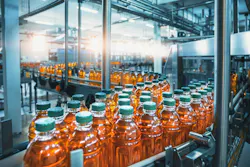
Beverage production facilities operate in environments where hygiene, durability and regulatory compliance are non-negotiable. These spaces face relentless exposure to moisture, aggressive cleaning agents, temperature extremes and heavy equipment traffic. In this setting, high-performance coatings are essential to maintaining safety, efficiency and operational continuity.
Why coatings matter in beverage facilities
Maintaining food safety and meeting regulatory demands
Frequent washdowns, high humidity and strict sanitation standards are part of daily operations. Coatings must stand up to chemical cleaners and resist microbial and moisture growth, all while supporting compliance with FDA 21 CFR 175.300 for direct food contact surfaces. In juice and dairy operations especially, where raw ingredients are highly perishable, FDA-compliant tank and vessel linings play a critical role in preventing contamination and spoilage.
Extending asset life and minimizing downtime
The right coating system can protect facilities from corrosion, abrasion and thermal cycling. From acidic juice spills on a bottling line to grain dust and high alcohol content in distilleries, tailored coatings reduce wear and tear — minimizing unplanned shutdowns and long-term repair costs. Soft drink facilities may also face rapid cycling and CO₂ exposure, requiring coatings that can withstand pressure and carbonation-related stress.
Enhancing efficiency and worker safety
Slip-resistant, easy-to-clean flooring systems contribute to a safer, more sanitary production environment. In breweries and hot-fill operations, thermal insulative coatings (TICs) on pipes reduce heat loss, prevent condensation and improve worker safety, especially in areas around kettles, boilers or pasteurizers.
Targeted coating solutions for beverage environments
Flooring systems built for performance
Resinous flooring in beverage facilities must withstand the combined impact of foot traffic, heavy machinery, forklifts and constant moisture. Look for systems that offer slip resistance for wet conditions, resistance to chemicals and thermal shock, and seamless, hygienic surfaces that are easy to clean. Slip resistance is especially critical in areas prone to spills, washdowns or condensation, where slick surfaces can pose serious safety risks. Advanced flooring systems should be engineered to build up traction, helping prevent slips and falls while maintaining cleanability and durability.
Thermal insulative coatings (TICs)
TICs play a vital role in beverage processing environments by enhancing both safety and energy efficiency. Applied to pipes and vessels, TICs help maintain consistent temperatures, which is essential for process control in operations like brewing, pasteurization and chilling. By minimizing heat loss and condensation, these coatings reduce energy consumption and support cost control efforts. Just as importantly, TICs protect employees from accidental contact with high-temperature surfaces, contributing to a safer workplace.
Hygienic wall systems
Walls in production and washdown areas should be coated with seamless, splash resistant materials that prevent cracks and crevices. Additionally, they must be able to resist exposure to harsh sterilants and chemicals used to clean the facility. These systems can be applied over concrete or insulated metal panels (IMPs) to support cleanliness and regulatory compliance, which is particularly important in soft drink and dairy plants, where moisture and sugar residues can attract microbial growth.
Tank and vessel linings
Internal linings for tanks and vessels must prevent leaching, withstand temperature swings and resist aggressive chemicals. In breweries and distilleries, where fermentation and aging processes require precision and consistency, these coatings help ensure batch quality while protecting workers from high-temperature surfaces and chemical exposure.
Water and wastewater protection
Beverage plants generate significant wastewater, especially in juice and dairy production, where frequent cleaning cycles and rinse steps produce high volumes. Chemical- and moisture-resistant coatings protect basins, tanks and pipes from corrosion, extending the life of assets and supporting environmental compliance.
Meeting the specific demands of beverage facilities
Every area in a beverage facility faces different stressors:
- Fermentation and carbonation tanks must be coated to withstand pressure, alcohol and CO₂ exposure.
- Railcars and transfer lines need UV stability, abrasion resistance and non-slip safety features.
- FDA-approved linings are critical in any facility where direct food contact or flavor preservation is a concern.
High-performance coatings should be engineered to deliver across these varied applications — combining durability, safety and regulatory compliance to protect beverage facilities from the inside out.
Long-term protection starts with the right partner
No two beverage facilities are the same. That is why a customized maintenance and coatings plan is critical. Work with a coatings partner who can assess your site conditions, recommend system solutions based on your processes and help prioritize projects based on risk and budget. From emergency repairs to proactive planning, the right partner helps you stay compliant, efficient and production ready.
About the Author
 Feraas Alameh
Feraas Alameh
North American Segment Marketing Manager – Food & Beverage, Sherwin-Williams
Feraas Alameh serves as the Market Segment Manager – Food & Beverage for Sherwin Williams Protective & Marine. With over 15 years of experience in the coatings industry, he is a seasoned business leader with a strong focus on innovation and the development of effective market strategies across diverse segments.