Asset management capabilities: What they are and how to build them
Key Highlights
- Implementing asset lifecycle management ensures full visibility from acquisition to disposal, reducing idle inventory and obsolescence.
- Real-time asset tracking with RFID, GPS, or IoT technologies enhances operational agility by preventing losses and facilitating redistribution.
- Performance monitoring and analytics help identify underperforming assets, optimize resource allocation, and extend asset lifespan.
- Developing structured asset disposition processes recovers value, minimizes waste, and supports sustainable inventory management.
- Equipping procurement teams to handle shortages and obsolescence mitigates production delays and reduces operational costs.
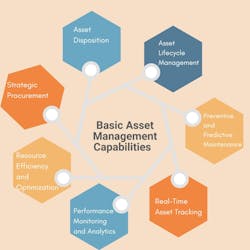 6998854f2b9cafe1b585824b Basic Asset Management Capabilities 1
In asset-intensive industries, effectively managing operational inventory is essential for maximizing efficiency and minimizing costs. Building robust asset management capabilities ensures that your organization can maximize asset utilization, reduce idle inventory, and prevent obsolescence.
In this article, we will discuss what asset management capabilities are, why they are essential for operational inventory management, and how to build them.
What are asset management capabilities?
Asset management capabilities refer to an organization’s ability to systematically track, monitor and optimize its operational assets to maximize efficiency and value. In industrial operational settings, these capabilities are crucial because they ensure that machinery, IT hardware, spare parts and other tangible assets are properly utilized, maintained and deployed as needed.
Basic asset management capabilities
Here are seven essential asset management capabilities that enable businesses to monitor, track and optimize operational inventory effectively:
1. Asset lifecycle management
Asset lifecycle management capability tracks assets holistically from acquisition through disposal, ensuring optimal utilization and minimizing idle or obsolete stock. By maintaining visibility over the full lifecycle, businesses can make informed decisions on maintenance, replacement, liquidation and recycling, improving operational efficiency and preserving cash flow.
2. Preventive and predictive maintenance
Preventive and predictive maintenance uses scheduled inspections and data-driven insights to anticipate equipment failures before they occur. This reduces unplanned downtime, extends the lifespan of machinery and IT hardware, and ensures MRO parts are available when needed, contributing to smoother operational workflows.
3. Real-time asset tracking
Real-time tracking provides direct visibility into the location, condition and movement of assets using technologies like RFID, GPS or IoT. This capability prevents losses, facilitates redistribution of underutilized inventory and ensures critical assets are available at the right place and time, supporting operational agility.
4. Performance monitoring and analytics
Performance monitoring collects data on asset utilization, idletime and throughput, while analytics transform this data into actionable insights. Businesses can identify underperforming assets, prioritize interventions and optimize resource allocation.
5. Resource efficiency and optimization
This capability focuses on making the most of existing operational assets through techniques like internal redeployment. By efficiently reallocating underused machinery, IT equipment or spare parts to areas of higher demand, businesses reduce unnecessary purchases, minimize downtime and boost overall operational productivity.
6. Strategic procurement
Developing strategic procurement plans is a critical capability for enterprises aiming to optimize asset management and ensure operational continuity. It involves aligning procurement decisions with both current operational demands and long-term business objectives. By planning strategically, organizations can mitigate risks related to equipment shortages, component obsolescence and unexpected production interruptions.
7. Asset disposition
Proper asset disposition capabilities ensure that obsolete, surplus or end-of-life assets are handled efficiently. This capability helps businesses recover value where possible, responsibly retire equipment and reduce clutter in warehouses. Effective disposition practices minimize storage costs, prevent unnecessary waste and support sustainable inventory management across operational facilities.
How do asset management capabilities affect operational inventory
Focusing on operational inventory, asset management capabilities help in numerous ways.
Key benefits include:
1. Improve utilization
Asset management capabilities ensure machinery, IT systems and spare parts are actively used rather than kept idle. Real-time tracking highlights underutilized assets, enabling redeployment to high-demand areas and maximizing operational efficiency.
2. Reduce waste
Early identification of slow-moving or obsolete machinery and equipment prevents unnecessary storage and disposal costs. Proactive monitoring and lifecycle management keep operational stock relevant and reduce losses.
3. Enhance cash flow
Tracking asset value and condition allows informed decisions on redeployment, resale or liquidation, converting idle inventory into working capital and improving financial efficiency.
How to build asset management capabilities
Here are six key steps to establish robust asset management capabilities as an enterprise:
1. Ability to assess your current asset landscape
The first key step in building asset management capabilities is to create a complete understanding of what you currently own and how it is being utilized. This involves:
- Inventory audit: Ability to identify all operational assets such as machinery, IT hardware, spare parts and slow-moving stock.
- Asset location mapping: Record where each asset is stored or deployed across your facilities.
- Utilization review: Evaluate how often each asset is used, its downtime and maintenance frequency.
- Condition assessment: Check the operational condition of equipment and identify aging or underperforming assets.
2. Implement centralized inventory tracking
To manage assets effectively across multiple locations and systems, enterprises must establish centralized tracking. This ensures visibility, control and optimized utilization.
Key steps include:
- Integrate core systems
Bring together data from Enterprise Resource Planning (ERP), Warehouse Management System (WMS) and Computerized Maintenance Management System (CMMS) to create a unified view of all assets. This integration eliminates silos and allows decision-makers to see the complete lifecycle of every asset.
- Implement real-time monitoring
Track asset movements, usage and stock levels in real time. Continuous monitoring enables rapid response to underutilization, potential bottlenecks or maintenance needs, ensuring operational efficiency.
- Categorize and tag assets
Assign clear categories — such as machinery, IT equipment or spare parts — and unique identifiers like SKUs or serial numbers. Proper categorization and tagging simplify tracking, reporting and redeployment decisions while supporting accurate inventory audits.
3. Monitor asset performance and health
To ensure your tangible assets are in proper working condition, monitor periodically their performance and health. Keeping your assets in top condition ensures maximum ROI. Focus areas include:
- Preventive maintenance: Hold regular inspections and servicing to reduce breakdowns.
- Usage analytics: Track operational hours, load capacity and utilization rates.
- Health metrics: Monitor critical indicators like wear-and-tear, failure rates and remaining useful life.
4. Develop asset disposition processes
A key capability for any enterprise is the ability to manage asset disposition effectively. Here are the key disposition capabilities that you need to equip yourself with:
- Identify assets for disposition: Regularly assess which assets are underutilized, decommissioned, out of specification, or approaching obsolescence. Accurate identification is the foundation of an efficient disposition process.
- Redeployment and reuse: Before considering sale or disposal, determine if the asset can be redeployed internally. Moving idle or slow-moving assets to departments or locations with higher demand reduces unnecessary capital expenditure.
- Structured liquidation: Establish formal liquidation procedures for selling assets. This includes evaluating potential resale value, selecting appropriate liquidation channels, building a partnership with industrial liquidators, and ensuring compliance with safety, regulatory, and environmental requirements.
- Documentation and compliance: Maintain thorough records of all disposition actions, including financial recovery, asset retirement, and any transfers. This ensures regulatory compliance and provides data to inform future disposition decisions.
5. Prepare procurement teams to handle shortages and component obsolescence
Another crucial capability for any enterprise is equipping procurement teams to proactively manage equipment shortages and component obsolescence. With assets becoming more complex and supply chains increasingly global, unplanned shortages or obsolete components can lead to production delays, increased costs and operational inefficiencies.
To build these capabilities, you need to ensure the following:
- Risk awareness and forecasting
Train teams to monitor supply chain risks, track component lifecycles and anticipate potential shortages.
- Alternative sourcing and supplier management
Equip teams to identify second sourcing strategies, negotiate contracts and evaluate substitute components proactively.
- Obsolescence planning and lifecycle management
Teach teams to integrate obsolescence data into procurement decisions and plan asset replacement cycles efficiently.
6. Leverage data-driven decision making
Lastly, analytics and artificial intelligence (AI) play a critical role in optimizing asset management. Businesses should try to create processes that help them in establishing the following:
- Analyze usage patterns: Identify slow-moving or idle inventory for redeployment or liquidation.
- Forecast demand: Predict future asset needs based on historical data and operational trends.
- Optimize capital allocation: Ensure high-value assets are fully utilized before purchasing new ones.
- Support strategic cecisions: Use insights to guide investment, maintenance and retirement plans.
Conclusion
Building strong asset management capabilities is essential to maximize utilization, protect cash flow and curb obsolescence. With centralized visibility, real-time tracking and preventive maintenance, teams redeploy faster and avoid downtime.
Strategic procurement and disciplined disposition mitigate shortages, recover value and uphold compliance. Audit what you own, integrate your systems and use analytics to continuously improve, turning assets into a durable advantage.
About the Author
 Luke Crihfield