BASF scales additive manufacturing of catalysts with X3D technology plant
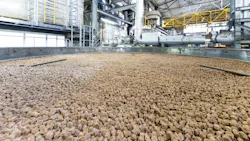
BASF has started up a production plant for catalysts based on X3D technology at its Ludwigshafen site, marking the first industrial-scale application of this additive manufacturing approach in catalyst production.
The new facility enables BASF to scale production of X3D catalysts, which are designed with optimized geometries that improve performance in chemical reactors. According to the company, these structures combine mechanical stability with an open design that reduces pressure drop while increasing the active surface area available for reactions.
BASF said the result is higher reactor throughput, improved product quality, and lower energy consumption compared to conventional catalyst designs.
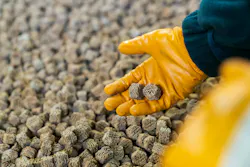
The company has already supplied X3D catalysts to internal and external customers for several years. The technology can be applied across a range of materials, including precious and base metals, as well as different support structures. With the new plant, BASF aims to expand access to the technology and accelerate development and commercialization timelines.
In 2025, An Hui Jintung, a fine chemicals producer based in China, implemented BASF’s O4-115 X3D sulfuric acid catalysts in its production facility. According to the company, the plant startup proceeded smoothly and delivered improved performance, including higher production output and economic benefits.
BASF stated that the new Ludwigshafen plant will support the broader deployment of customized catalysts tailored to specific chemical processes, while helping manufacturers improve efficiency and resource utilization.