Nestlé partners with United Nations University on food systems education
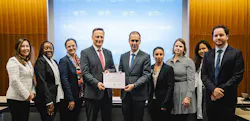
Nestlé and the United Nations University Institute for Water, Environment and Health (UNU-INWEH) have launched the World Food Academy, a global initiative aimed at strengthening education and workforce development in sustainable food systems.
The World Food Academy is designed as a multi-partner platform to support university students, early-career researchers, and young professionals working in food and nutrition. The initiative places a particular focus on expanding access to training and career opportunities in regions across the Global South.
According to Kaveh Madani, Director of UNU-INWEH, the academy will help translate interdisciplinary research into practical solutions by equipping participants with scientific, technical, and policy skills needed to address challenges in food security, nutrition, and sustainability.
The program incorporates Nestlé’s existing Science and Technology Seminars, launched in 2023 under its youth-focused initiatives. The seminars cover agricultural science, food technology, and nutrition, and reached approximately 7,000 students across more than 300 academic institutions in over 90 countries last year.
UNU-INWEH will contribute expertise in research, capacity building, and policy engagement to expand the program’s scope. The collaboration also includes knowledge sharing in sustainable agriculture and land management to support food security, biodiversity, and climate resilience.
Educational materials developed through the academy will remain publicly accessible at no cost, with an emphasis on improving access for learners in low-income regions. The initiative aligns with the United Nations Sustainable Development Goals, particularly those related to education and reducing inequalities.
Stefan Palzer, Chief Technology Officer at Nestlé, said the collaboration aims to share scientific and technical expertise across the food value chain to help participants improve the accessibility, nutrition, and sustainability of food systems.
Both organizations plan to expand the academy by building a global network of academic institutions, industry partners, and research organizations. Future opportunities may include internships, fellowships, and specialized training programs.
Later this year, Nestlé and UNU-INWEH will co-host a symposium on sustainable food systems, bringing together policymakers, researchers, industry representatives, and civil society to explore solutions for improving access to affordable and nutritious food.