Chemical Safety Board releases video on fatal BP-Husky refinery fire
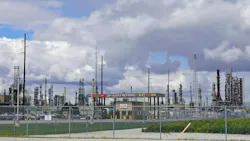
The U.S. Chemical Safety and Hazard Investigation Board (CSB) released a new safety video examining the fatal fire at the BP-Husky refinery in Oregon, Ohio.
The fire occurred on Sept. 20, 2022, after highly flammable liquid naphtha was released from a pressurized vessel during an emergency situation. The naphtha vaporized and formed a flammable vapor cloud that ignited, fatally injuring two refinery employees who were brothers.
The video, “Alarming Mistakes, Deadly Decisions: Fatal Fire at BP-Husky,” uses animation and commentary from CSB Board Member Sylvia Johnson, Investigator-in-Charge Bill Steiner and Investigator Melinda Hartz.
According to the CSB, a process upset in the refinery's naphtha hydrotreater unit began a series of events at about 3:20 a.m. The resulting loss of containment led to shutdowns in other refinery units and eventually caused liquid naphtha to enter and fill a fuel gas mix drum.
The pressurized vessel normally contained fuel gas vapor. As it filled with liquid naphtha, the vessel overflowed into vapor piping connected to downstream furnaces and boilers, creating the potential for fires or explosions.
The released naphtha formed a large vapor cloud. At 6:46 p.m., the cloud reached a furnace in Crude Unit 1 and ignited, producing a flash fire that engulfed the two employees.
The CSB also identified an alarm flood as a factor in the incident. Between 6:50 a.m. and 6:49 p.m., board operators received 3,712 alarms, which the agency said contributed to delays and errors in responding to critical alarms and communicating information.
The investigation also found a communication gap following a mid-afternoon meeting involving refinery leadership and process engineering personnel. The group discussed shutting down Crude Unit 1 or placing it in circulation but ultimately decided to continue crude oil feed. An email intended to summarize the decision was not sent, and the CSB found no evidence that the agreed actions were otherwise communicated to the night-shift refinery coordinator or board operators.
The safety video identifies four key issues addressed in the CSB's final report: liquid overflow prevention, abnormal situation management, alarm flooding and learning from incidents.
The video also highlights safety recommendations made by the CSB to the American Petroleum Institute and Ohio Refining Company, the current owner of the refinery.
Johnson said the incident demonstrates the importance of providing employees with tools and safeguards for managing highly stressful abnormal situations, including stop-work authority, adequate procedures and appropriate safeguards.