New twists on training address the workforce gap
Key Highlights
- Over 95% of CPG companies struggle to find skilled operators and technicians, with high turnover exacerbating operational challenges.
- Digital tools such as HMIs, on-machine videos, and predictive maintenance alerts are favored for cost-effective, real-time troubleshooting and training.
- Capturing tribal knowledge through digitization and better communication is essential to prevent performance declines when experienced staff leave.
- Training formats like short videos, modular lessons, and digital knowledge hubs enhance learning, especially when paired with hands-on shadowing.
- Industry events like PACK EXPO International 2026 offer opportunities to explore new training technologies, workforce development programs, and industry collaborations.
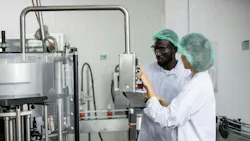
Finding skilled technical staff is a major workforce issue in the food and beverage manufacturing industry. Unfortunately, this problem is expected to persist or even worsen. In fact, 95% of consumer packaged goods (CPG) companies struggle to find skilled operators and technicians, according to a recent report entitled 2025 Inside the Workforce Gap, from PMMI, The Association for Packaging and Processing Technologies.
When researchers for the report asked end users about their outlook on this issue, more than half said they expected it to become more challenging. Nearly three-quarters reported high turnover among line operators, and almost half said technicians have also been impacted.
The labor issue is frequently exacerbated by too many employee callouts and inexperienced operators covering new lines, resulting in efficiency losses and quality slips. End users also cited problems with troubleshooting and issue diagnosis, machine setup and changeover, routine maintenance, and emergency repairs.
Another major pain point for CPG firms is critical, undocumented know-how walking out the door when experienced employees leave the company. This loss of knowledge creates skill and training gaps that make it even harder for newer operators to succeed, especially as packaging machinery incorporates more features.
Many companies interviewed by PMMI described how undocumented expertise, such as quick fixes, intuition for how equipment should sound or feel, and legacy system proficiency, can mean the difference between minutes of downtime and hours of disruption.
Consequently, there is an urgent need for companies to update and digitize their training processes, whether by embedding troubleshooting guidance into equipment or adopting smarter documentation practices, such as digitization, to capture tribal knowledge before it’s lost.
Task-based training creates confidence
Currently, end users report greater access to traditional tools: 74% use printed manuals and 47% use digital manuals. By contrast, reliance on tools such as predictive maintenance (PdM) alerts, human-machine interface (HMI)-based troubleshooting, or on-machine instructional videos is less common.
However, original equipment manufacturers (OEMs) participating in the Inside the Workforce Gap study reported offering a broader range of tools: 89% provided digital manuals, 80% offered remote OEM support, and 65% offered HMI-based troubleshooting. Despite the availability of these tools, some end users noted digital manuals and/or training materials are not always offered or are fee-based.
When asked which tools would be the most cost-effective for expanded use during the next one to three years, end users favored predictive, remote, and machine-embedded tools. Many said machine-embedded HMIs, on-machine videos, or step-by-step instructions, and mobile/tablet tools would be far more effective in helping less-experienced operators troubleshoot in real time. End users also stressed the need for training content that is intuitive, visual, and multilingual, rather than dense text manuals.
Why? When line problems occur, operators typically escalate the issues to in-house experts first. But when experts aren’t available, downtime grows quickly. Providing clearer documentation, embedding HMI-based troubleshooting, and enabling remote support can speed resolution, cut downtime, and empower less-experienced operators to act with confidence.
Digital training formats come to the rescue
OEMs currently offer a variety of training formats, with instructor-led training being the most common, followed by printed standard operating procedures (SOPs)/manuals and on-machine guidance. Digital formats are emerging but remain limited, with only 20% of OEMs offering self-paced video modules, while 6% provide interactive platforms and 4% offer virtual reality-based training.
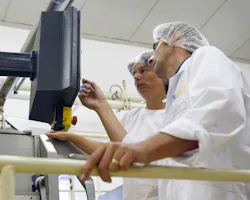
The most helpful formats include short task-based videos; on-demand videos accessible by a QR code, app, or terminal; videos triggered automatically by the machine when an error occurs; modular learning by topic (e.g., grouped lessons on maintenance, setup, safety); and a digital knowledge hub that consolidates manuals, videos, and SOPs. In addition, OEMs should ensure that training tools are clear, consistent, and accessible in multilingual, picture-driven manuals and digital libraries linked to the machines.
Since operators consistently learn best by doing, shadowing and hands-on repetition are the most relied-on training methods, an approach that comes with risks because training can vary by shift. Therefore, to improve training outcomes, CPG companies should pair hands-on shadowing with documented, digital formats that make knowledge more consistent and transferable across the workforce.
Tribal knowledge is essential for operational efficiency
The most crucial tribal knowledge for any manufacturer to capture is explicit, repeatable processes and experience-based insights that prevent issues.
This is especially relevant for companies with high staff turnover or with senior staff approaching retirement, making them particularly vulnerable, according to PMMI’s report, 2025 Knowledge Transfer for Machine Operators: From Paper to Digital Intelligence.
In the past, machine operators typically had long tenures, but that is no longer the case. All too often, new employees are trained to operate machines and learn how to maximize performance by spending time running the equipment, only to leave within months. When they leave, the machines begin to underperform because of new, inexperienced operators.
To prevent this kind of performance downturn, operators should be trained not only in how to use equipment but also to contribute to knowledge transfer and digital systems, making learning adaptive, cumulative, and accessible.
Better communication between engineers and operators is also critically important. For example, it is essential that a writer of the SOPs is trained on the machinery and, thereby, armed with both experience and accurate information to share with operators. (Operators can verify the SOPs and tweak them as necessary.)
Training is key for employee retention
Beyond training, operators and technicians must be willing to take on the responsibility of becoming lead operators on a line or to train other operators, according to another PMMI report, Beyond Manuals: Setting the Right Expectations for Operator Training on Modern Packaging Lines.
Although it may not be readily apparent, good training is key to achieving employee retention, as it facilitates job variety, allowing trained operators to leave the line and become trainers themselves.
When there is class-based training, a best practice is to use the knowledge gained on the machine as soon as possible. Ensuring the right training reaches the right people, including second- and third-shift teams, is another major training opportunity.
Communication and collaboration are also required between OEMs and end users to determine what training needs exist and what training is available for operators. This starts at the project planning stages and continues throughout the lifecycle of machines. Plus, the investment in training should be included following the site acceptance test (SAT) as part of the capital expenditure request submitted for budget approval.
To hold down costs, one end user surveyed by PMMI negotiated an agreement that extended a two-day SAT to five days and included an in-person visit from an OEM service technician. The training process was filmed, and a series of short training videos is being created.
Experience technology in person
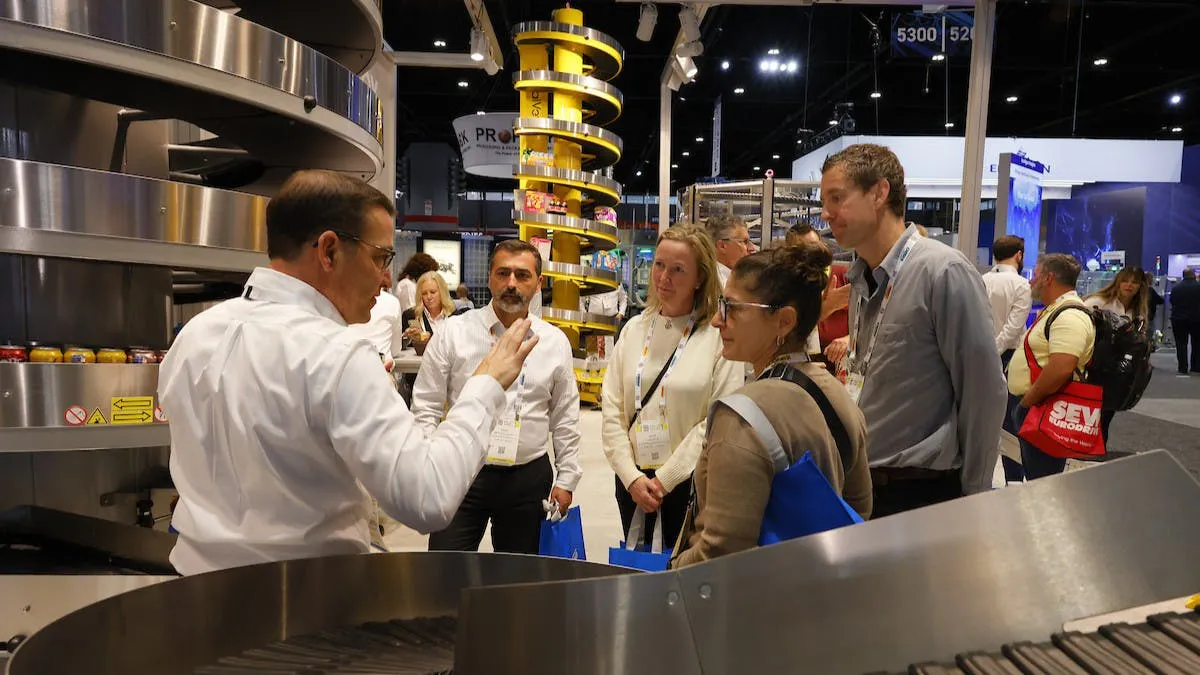
If you’re looking for the latest training tools, PACK EXPO International 2026 (Oct. 18–21 at Chicago’s McCormick Place) is the place to start. The industry’s biggest and most influential packaging and processing event in North America can help you solve immediate challenges or future-proof your operations.
Attendees can navigate the show efficiently and quickly identify the solutions and suppliers that align with their operational needs. In addition, the show provides a chance to investigate multiple challenges in one trip, addressing topics such as automation, labor, and digital transformation.
For example, the Workforce Development Pavilion serves as the ultimate resource hub for strengthening the existing workforce and nurturing the future workforce. At the pavilion, PMMI U provides an array of offerings, including sought-after training workshops. Plus, while colleges and universities showcase their mechatronics and packaging and processing programs, attendees will have the opportunity to engage with students interested in pursuing careers in the industry.
The event also provides resources to assist small and medium-sized businesses (SMBs) through the SMB FastTrack program. To make finding them easier, exhibitors will display SMB Friendly icons. Show floor education will feature an SMB track with education designed for teams, covering topics like workforce, AI, food safety, and manufacturing efficiency. If you’re looking for live machinery running on the show floor, search for the gear icon in the online show directory.
Visit packexpointernational.com to learn more.
About the Author
 Tom Egan
Tom Egan
VP, industry services, PMMI, The Association for Packaging and Processing Technologies
Tom Egan serves as the vice president of Industry Services for PMMI, the Association for Packaging and Processing Technologies. He joined the PMMI staff in 2003 following more than 20 years in the packaging industry during which he was also an active PMMI member.