How to maintain a dust collection system for optimal performance and efficiency
Key Highlights
- Establish baseline operating conditions by documenting key parameters such as differential pressure, airflow, fan amperage, and production rates to identify deviations early.
- Regularly monitor differential pressure and filter condition to detect loading, moisture issues, or filter damage, adjusting maintenance actions accordingly.
- Inspect and maintain pulse cleaning components, including valves, pipes, and controllers, to ensure effective dust removal and system efficiency.
- Evaluate the collector housing, ductwork, and hoods for leaks, restrictions, and damage, especially after process modifications or seasonal weather changes.
- Develop a comprehensive maintenance schedule combining daily checks, periodic inspections, and condition-based assessments to prolong system life and optimize performance.
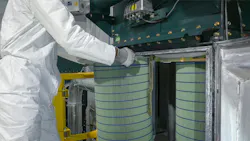
Industrial cartridge dust collection systems help processing facilities control airborne particulates, maintain cleaner work areas, safeguard worker health and protect production equipment. However, a dust collector cannot provide consistent performance without regular inspection and maintenance.
Dust collector problems often develop gradually. Filters become loaded, compressed air components deteriorate, ductwork accumulates material and fan performance changes. The system may continue to operate, yet it may no longer provide the airflow needed to capture dust effectively. These conditions can increase energy consumption, shorten filter life and ultimately cause an unexpected shutdown.
A preventive maintenance program gives facility personnel a structured way to identify these changes before they interfere with production. The program should address the entire dust collection system, including filters, cleaning components, ductwork, discharge equipment, fans, controls and safety devices.
Establish normal operating conditions
Effective maintenance begins with an understanding of how the dust collection system operates under normal production conditions. Without a baseline, maintenance staff may struggle to distinguish routine fluctuations from emerging problems.
Facility operators should document important operating data, including:
- Differential pressure across the filters
- Airflow or capture velocity
- Fan motor amperage
- Compressed air pressure
- Pulse cleaning settings
- Damper positions
- Typical operating hours
- Production rates and material types
- Filter installation and replacement dates
Workers should record these values after commissioning the system and after major maintenance, filter replacement or system balancing. They should also note the production conditions under which each measurement was taken. Airflow requirements can change when production rates, materials or operating schedules change.
Trending data usually provides more useful information than a single reading. A differential pressure reading may remain within the acceptable operating range but still warrant investigation if it rises unusually quickly. Similarly, a gradual decline in airflow may point to filter loading, duct buildup or fan problems, even when the system has not triggered an alarm.
Monitor differential pressure and filter condition
Filters create airflow resistance as air passes through the media. As dust builds on the filter surface, that resistance increases. The resulting difference in pressure between the dirty-air and clean-air sides of the filters is known as differential pressure.
A gradual increase in differential pressure is normal. Excessive pressure drop, however, can reduce the amount of air moving through the system. When airflow declines, the collector may no longer capture dust effectively at process area hoods and pickup points. The fan may also consume more energy as it attempts to move air through heavily loaded filters.
Maintenance personnel should track differential pressure according to the collector manufacturer’s recommendations. An unusually high reading can indicate:
- Excessive dust loading
- Ineffective pulse cleaning
- Moisture contamination
- Sticky or compacted dust
- Incorrect cleaning settings
- Filters approaching the end of their service life
A sudden decrease in differential pressure can also signal a problem. It may indicate torn filter media, an improperly installed filter, a damaged gasket or another air leak that allows contaminated air to bypass the filter media.
Maintenance personnel should inspect filters when operating data or visible conditions indicate a possible problem. Warning signs include reduced capture velocity, dust accumulating near process equipment, visible dust in the clean-air section and pressure drop that remains high after the cleaning cycle operates.
Facility operators should not rely solely on a fixed calendar interval for filter replacement. Filter life varies according to dust characteristics, loading, operating hours, moisture exposure and cleaning conditions. Pressure drop trends, airflow measurements, visual inspections and the manufacturer’s operating limits provide a more reliable basis for replacement decisions.
Account for seasonal and process changes
Environmental conditions can affect dust collector performance. Windy weather may increase the amount of dirt and debris that enters outdoor equipment or surrounds process areas. Rain, humidity and condensation can cause some types of dust to become sticky, heavy or prone to clumping.
Moisture can also enter through housing leaks or contaminated compressed air lines. Wet dust may adhere to filter media and resist pulse cleaning, causing differential pressure to rise rapidly. In severe cases, wet filters may require replacement.
Facilities should consider performing additional inspections after:
- Extended periods of rain or high humidity
- Significant seasonal weather changes
- Construction near the facility
- Major production increases
- Changes in raw materials
- Unusual dust-loading events
- Extended shutdowns
Process changes deserve similar attention. Increasing production, extending shifts or introducing a new material can change both the volume and characteristics of the dust entering the collector. Maintenance workers should review airflow, pressure drop and cleaning settings whenever operating conditions change.
Maintain the pulse cleaning system
Many cartridge dry dust collectors use pulses of compressed air to remove accumulated dust from filter surfaces. A properly operating cleaning system controls pressure drop and helps filters maintain adequate airflow.
The pulse cleaning system includes more than the pulse controller. Maintenance personnel should inspect:
- Solenoid valves
- Diaphragm valves
- Compressed air lines
- Regulators and filters
- Pulse pipes
- Electrical connections
- Air headers
- Controller settings
A malfunctioning solenoid or diaphragm valve may prevent one or more rows of filters from receiving an adequate cleaning pulse. The affected filters can load more quickly than the rest of the system, resulting in uneven airflow and premature filter replacement.

Compressed air pressure also requires careful control. Pressure below the recommended range may not release enough dust from the filter media. Excessive pressure can stress or damage the filters while wasting compressed air.
The compressed air supply should remain clean and dry. Oil or water carried through the lines can contaminate filter media, cause dust to adhere to the filters, and contribute to premature failure. Staff should drain moisture traps, inspect regulators and correct leaks as part of the maintenance schedule.
Pulse pipes must also remain properly aligned. A pipe that shifts out of position may direct the cleaning pulse incorrectly, reducing the energy delivered to the filter.
Avoid unnecessary filter cleaning
More frequent pulse cleaning does not necessarily improve filtration performance. Excessive cleaning can waste compressed air and place unnecessary stress on filters and cleaning system components.
The appropriate cleaning strategy depends on the dust and application. Continuous pulse cleaning may be necessary in processes with heavy dust loading or dust that readily releases from the filter surface. Other applications may operate more efficiently with on-demand cleaning.
An on-demand system activates cleaning when differential pressure reaches a designated upper setting and stops when it falls to a lower setting. This approach can reduce compressed air use while maintaining airflow within the required range.
Facilities should periodically confirm that cleaning settings still match current process conditions. Changes in production volume, operating hours or dust characteristics may require adjustments. Workers should follow the equipment manufacturer’s recommendations rather than increasing pulse frequency as a default response to rising pressure drop.
If frequent cleaning fails to restore normal pressure drop, the filters may be approaching the end of their useful life or another system problem may be limiting performance.
Inspect the collector housing
The collector housing separates the dirty-air section from the clean-air section and directs airflow through the filters. Damaged seals, abrasion and loose components can allow dust to bypass the filter media or leak from the system.
Routine housing inspections should include:
- Access-door gaskets
- Filter gaskets and sealing surfaces
- Filter mounting hardware
- Housing seams and connections
- Inlet components
- High-wear areas
- Clean-air plenums
- Fasteners and structural supports
Dust found in the clean-air section often indicates a damaged filter, failed gasket or improperly seated filter. Personnel should identify and correct the source before restarting the collector. Simply cleaning the compartment will not prevent the problem from recurring.
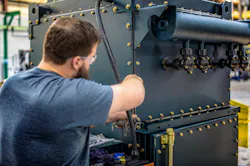
Maintenance staff should also look for corrosion, water intrusion and damaged door seals. Small housing leaks can draw in outside air, disrupt system balance or allow rainwater to contaminate the filters.
Check ductwork, hoods and pickup points
A dust collector can operate properly while delivering poor performance if the connected duct system has leaks, restrictions or balance problems.
Dust can accumulate inside ductwork when conveying velocity falls below the level needed to keep particles moving. Sticky materials may also adhere to duct walls, elbows and transitions. Over time, these deposits reduce the available air path and increase system resistance.
Ductwork inspections should look for:
- Dust accumulation
- Damaged or disconnected sections
- Worn elbows
- Loose joints
- Leaking flexible hose
- Closed or incorrectly positioned dampers
- Blocked hoods
- Unauthorized system modifications
Facility operators should pay particular attention to elbows, horizontal runs, transitions and branch connections where material may settle. Personnel should follow appropriate safety procedures when inspecting or cleaning ductwork, especially when the collected material is combustible, toxic or otherwise hazardous.
Hoods and pickup points also require inspection. Physical damage or accumulated material can reduce their ability to capture dust. Moving a hood farther from the dust source may significantly decrease capture effectiveness.
Adding a branch line or connecting new equipment can disrupt the balance of the entire system. Facility managers should evaluate system airflow after making modifications instead of assuming that the existing fan and ductwork can accommodate the added demand.
Keep the hopper and discharge system clear
The hopper directs collected material to a drum, bin, conveyor or other disposal system. It should not be used as a long-term storage vessel.
When dust accumulates in the hopper, it can back up into the filter section. This condition may interfere with pulse cleaning, increase dust re-entrainment and damage filters. A blocked hopper can also create additional combustible dust hazards in systems that handle flammable material.
Maintenance personnel should inspect:
- Hopper walls and connections
- Rotary airlocks
- Slide gates and valves
- Screw conveyors
- Flexible discharge hoses
- Level indicators
- Dust containers
- Drive components and seals
Dust containers should be emptied before material reaches the hopper outlet. Staff should verify that the discharge device operates and that dust flows freely from the hopper.
Some dusts bridge or cling to hopper walls, especially when moisture is present. Repeated buildup may indicate that the hopper angle, discharge arrangement or operating procedure does not suit the material. Facility operators should investigate the cause rather than relying on frequent manual clearing as a permanent solution.
Inspect the fan and motor
The fan creates the airflow that captures and transports dust. Mechanical wear, material buildup or drive problems can reduce its efficiency.
Fan and motor inspections should address:
- Motor amperage
- Belt tension and condition
- Bearings and lubrication
- Fan wheel buildup
- Fan rotation
- Damper position
- Unusual vibration
- Abnormal noise
- Motor temperature
Material that accumulates on the fan wheel can reduce efficiency and create an imbalance. Excessive vibration can damage bearings, supports and duct connections if left uncorrected.
Loose belts may slip and reduce fan speed, while overtightened belts can place excessive stress on bearings. Maintenance personnel should set belt tension according to the manufacturer’s specifications and replace worn belts as a matched set when appropriate.
Motor amperage provides another useful performance indicator. A change from the established baseline may signal a change in airflow, mechanical resistance, damper position or fan condition. Staff should investigate the cause and confirm that the motor remains within its rated limits.
Verify safety equipment
Dust collection systems may incorporate fire and explosion protection equipment based on the properties of the dust and the facility’s hazard analysis. Examples include explosion vents, isolation devices, spark detection, suppression systems, abort dampers, grounding components and safety interlocks.
These devices require routine inspection, testing and maintenance. A safety component that appears intact may not operate correctly if corrosion, dust buildup, physical damage or an electrical problem compromises it.
Qualified personnel should inspect and maintain protection equipment according to the manufacturer’s instructions, applicable standards and the facility’s dust hazard analysis. Maintenance records should document testing, deficiencies and corrective actions.
Operators should never modify or obstruct equipment or place it near explosion vents or discharge paths without an engineering review. Process changes that affect dust characteristics, dust loading or system configuration may also require an updated hazard evaluation.
Plan safe filter changes
Filter replacement can expose workers to collected dust and stored electrical, pneumatic or mechanical energy. Facilities should establish a written filter-change procedure that addresses:
- Equipment shutdown
- Lockout/tagout
- Compressed air isolation
- Personal protective equipment
- Fall protection
- Dust containment
- Filter handling
- Waste disposal
- New filter installation
Before opening the collector, maintenance personnel should operate the pulse cleaning system according to the manufacturer’s instructions and allow time for dust to settle. Used filters should be contained promptly to prevent collected material from spreading through the work area.
Operators should inspect gaskets, sealing surfaces and filter mounting components before installing new filters. An incorrectly seated filter or damaged gasket can allow dust to bypass the media immediately after startup.
Processes that handle toxic, potent or sensitizing materials may require additional containment measures. The maintenance procedure should reflect the hazards identified for the specific dust rather than relying on a generic filter change process.
Develop a documented maintenance schedule
A maintenance schedule should assign each task a frequency and designate responsible personnel. The exact intervals will vary, but many programs combine daily operating checks with more detailed monthly, quarterly and annual inspections.
Daily or shift checks may include differential pressure, pulse cleaning operation, hopper levels, alarms and visible dust conditions. Periodic inspections can address compressed air components, discharge devices, belts, bearings, ductwork and housing seals.
Planned shutdowns provide opportunities for airflow measurements, internal inspections, fan cleaning and comprehensive reviews of safety equipment.
Maintenance records should document readings, inspection findings, repairs, filter changes and process modifications. Over time, these records can identify recurring problems and support better decisions about maintenance intervals and spare parts inventories.
A strong program combines scheduled and condition-based maintenance. Calendar-based tasks ensure that personnel inspect critical components regularly. Condition data helps them determine when adjustment, cleaning or replacement has become necessary.
The most effective maintenance programs also evolve. As production conditions, materials and operating schedules change, maintenance staff should reassess system settings and inspection intervals. This disciplined, system-wide approach helps the dust collection system continue to support efficient production and effective dust control throughout its operating life.
About the Author
Dustin Wilson
Dustin Wilson is a technical service manager with Camfil, manufacturer of dust and fume collection equipment for challenging industrial applications.