Toxic vs. combustible gas detection: What processing facilities need to monitor and why
Key Highlights
- Toxic gases can harm workers at very low concentrations, so facilities need gas-specific sensors capable of detecting exposure near regulatory limits.
- Combustible gas detectors monitor flammable concentrations and should alarm well before gases reach the lower explosive limit.
- Separate detection technologies are essential because toxic and combustible gas sensors are not interchangeable.
- Place detectors according to gas density, breathing zones, leak sources, ventilation patterns and areas where gas may accumulate.
- Regular testing, accurate calibration, clear response protocols and a thorough hazard assessment help ensure effective protection.
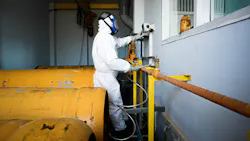
In contrast to other types of industrial facilities, process manufacturing facilities are vulnerable to gas hazards that may not be immediately evident. Gas hazards are present, and are dangerous to operations, products and the workforce. Thus, monitoring gas hazards needs to be prioritized in order to maintain a safe work environment.
Gas hazards in process manufacturing facilities typically fall into two distinct categories: toxic gases and combustible gases. Toxic gases are those that are incompatible with human life. Combustible gases ignite in certain conditions. While both are dangerous, they cannot be treated the same in terms of monitoring. A detection program that targets each of them separately is what is needed.
Toxic gas
Toxic gas and human life do not mix. In process manufacturing environments, the common culprits in the toxic gas category are ammonia, chlorine, nitrogen dioxide, carbon monoxide and hydrogen sulfide, although there may be others, depending upon the type of operations. Harmful exposure is measured in parts per million, which means it does not take a lot to harm humans. Each one carries with it a uniquely dangerous signature.
- Chlorine attacks the respiratory system first, causing a strong burning sensation in the nasal cavity and in the eyes, accompanied by coughing, difficulty breathing and fluid leakage into the lungs. Damage from exposure can continue even after the initial contact is halted, with symptoms worsening over time.
- Nitrogen dioxide forms corrosive compounds when inhaled. It oxidizes cell membranes, creates a state of hyper-inflammation and damages lung tissue. Symptoms include chest tightness, severe headache, coughing and respiratory distress. This is an insidious toxic gas where a person might not exhibit symptoms until hours after lethal exposure.
- Carbon monoxide prevents proper oxygen use in the body. Being odorless, it has a special, inherent danger. It affects the nervous system, brain and heart. Symptoms include dizziness, fainting, mental confusion, nausea, clumsiness and more.
- Hydrogen sulfide disrupts cytochrome c oxidase; it prevents cells from respirating. Symptoms include dizziness, nausea, headache and burning eyes. Rapid onset of symptoms often occurs with dangerous concentration levels of hydrogen sulfide.
Combustible gas
One of the most common examples of combustible gases in a process manufacturing facility is hydrogen, but methane, propane, ethylene and various hydrocarbon byproducts of refining and chemical production should also be considered.
Combustible gas presents an immediate threat to human life, as well as a threat to entire facilities and its products. Sources of ignition can consist of anything from a match, cigarette lighter, the surface of a hot pipe or something similar.
Standard gas detection for toxic gas and combustible gas
The regulatory standard for toxic gas exposure is the permissible exposure limit (PEL). A detection system must identify concentrations at or below that threshold to keep the workforce safe. Workers need to receive warnings well before they reach dangerous exposure levels. That means the toxic gas detectors need electrochemical sensors capable of measuring extremely low concentrations with high accuracy.
The measurement standard for combustible gas is the lower explosive limit (LEL). Detectors need to sound the alarm before a gas reaches that threshold. Most facilities set alarm points at 10% to 20% of LEL, which gives workers and safety systems time to respond before concentrations reach a dangerous level. Catalytic bead sensors and infrared sensors are the two most common technologies used for combustible gas detection.
The problem with one detection system for both
Toxic gas detection and combustible gas detection require different sensor technologies, different alarm thresholds and different response protocols. One detection system will not cut it. Here is why.
Electrochemical sensors used for toxic gases are highly specific to the individual processing facility. They are calibrated for a particular gas, and they react to extremely low concentrations. They do not perform well when a facility is trying to detect the broad range of hydrocarbons that might be present in a combustible gas scenario.
Then there is the danger in combustible gases. Catalytic bead sensors used for combustible gases measure a wide band of flammable gases. But they are not designed to catch the trace concentrations that add up to toxic exposure in humans. An infrared sensor for methane detection does not set off alarm bells when hydrogen sulfide is building up in a confined space nearby. A confined space that a human may wander into, unaware of the danger.
Process manufacturing facilities need both kinds of systems in place for protection.
Proper placement of gas detectors
Not only do processing facilities need both types of gas detectors, they also need to be placed in accordance with their purpose.
Toxic gas detectors should be positioned where humans breathe the air. That is approximately five feet off the ground. Just like a residential smoke detector is placed high because smoke rises, toxic gas is toxic when it is inhaled, so placement should align with the inhalation range.
In a similar fashion, combustible gas detectors would be placed where gas is most likely to accumulate. Like smoke, some gas rises. Specifically, methane and hydrogen. Sensors for these should be placed high on the wall or on the ceiling.
For gases heavier than air — for instance propane and many hydrocarbon vapors — combustible gas sensors work best near the floor or at the lowest point of the space.
Finally, ventilation patterns must be considered, as well as airflow and equipment locations. A leak at a valve or fitting needs a sensor that is close so it is caught immediately. Enclosed areas where combustible gas might accumulate also deserve special attention.
Fixed gas detection
Fixed gas detection systems provide continuous monitoring in the areas where gas hazards are most likely to occur. Permanently installed sensors deliver around-the-clock protection by detecting gas leaks early, triggering alarms and helping facilities respond before conditions become dangerous. Proper placement of fixed detectors near potential leak sources, confined spaces and other high-risk areas is essential for maintaining effective coverage throughout a process manufacturing facility.
For facilities where hardwiring is impractical or hazardous, wireless gas detectors provide greater flexibility while maintaining continuous monitoring capabilities. They can simplify installation, expand coverage in challenging locations and transmit critical gas detection data to centralized monitoring systems without extensive wiring.
Setting alarm thresholds
Warnings that come too late are useless. Toxic gas and combustible gas detection systems are[GU1] the first step to protecting workers and facility interests. But setting alarm thresholds and response protocols is also crucial.
Typically, toxic gas alarms go off at two levels; one to investigate and prepare, and the second one to shut down and evacuate. The timing between the two may be short or long, depending upon the circumstances, but know this: it can be extremely short.
Combustible gas alarms also use tiered thresholds. The first alarm level is to trigger investigation and immediate ventilation. The second calls for emergency shutdown and evacuation. Because combustible gas events can escalate into explosions very quickly, the response time from first alarm to safe shutdown should be calculated in seconds, not minutes.
Obviously, it is critical to get the calibrations right. Anything less than 100% accuracy can lead to loss of life. Regular inspections of detection equipment, functional testing and sensor replacements are needed.
Putting the best detection system in place
To put the most effective toxic and combustible gas detection system in place, start with a hazards assessment. As stated, the presence of such gases may not be immediately evident. Often, it is not obvious. A third-party assessment from a professional service company is best. That way, every gas present or that could possibly be present can be assessed, whether it is used as a feedstock, produced as a byproduct or stored on-site. From there, create a toxicity profile on each one, with data such as its flammability range, its density relative to air and the regulatory exposure limits that govern the industry of the facility.
Next, map out the toxic and combustible gas detection network to match both the hazard type and the physical characteristics of each space in the facility. Set alarm thresholds at levels that give workers abundant response time. Create protocols so everyone knows what their job is when such gases are detected. Be prepared in the best way possible.
About the Author
Jodi Downing
Director of Communications at R.C. Systems Inc
Jodi Downing serves as Director of Communications at R.C. Systems Inc.