CSB urges chemical plants to expand remote isolation equipment use
The U.S. Chemical Safety and Hazard Investigation Board (CSB) is urging chemical facilities to increase their use of remote isolation equipment. A new safety video, titled “RIPE for Change,” examines how the absence of this equipment contributed to three major industrial disasters in 2019.
The video draws on the CSB's 2024 safety study, “Remote Isolation of Process Equipment.” It features commentary from CSB Chairperson Steve Owens and Director of Recommendations Charles Barbee.
The CSB examines three incidents in the video:
- Intercontinental Terminals Company (ITC): A March 2019 fire at the bulk liquid storage terminal in Deer Park, Texas.
- Philadelphia Energy Solutions (PES): June 2019 fires and explosions at the refinery in Philadelphia, Pennsylvania.
- TPC Group: November 2019 fires and explosions at the chemical plant in Port Neches, Texas.
In all three incidents, fires continued burning for extended periods. Some lasted several days, while others continued for more than a month.
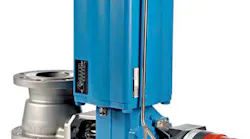
The CSB found that the facilities lacked remote isolation equipment to stop hazardous material flows safely. Instead, they relied on manual or locally controlled valves. Personnel could not safely access those valves during the emergencies.
Barbee said existing industry guidance on remote isolation has not been consistently followed. He called for industry standards and federal regulations to require remote isolation equipment where appropriate.
Owens also urged chemical facilities to evaluate their remote isolation needs, even without formal regulatory requirements. He emphasized installing equipment that workers can safely activate during emergencies.
According to the CSB, remote isolation capabilities can help reduce the severity of hazardous releases while protecting workers, critical infrastructure and surrounding communities.