Why materials matter in food and beverage processing
Key Highlights
- Harsh chemicals, humidity, temperature swings and frequent washdowns can accelerate electrical system degradation.
- Material choices should match each facility zone’s cleaning chemicals and operating conditions; for example, stainless steel 316 can better resist chlorides than grade 304.
- Properly rated, food-safe materials help reduce contamination risks, failures, maintenance costs and downtime.
- Compliance with applicable UL, NEMA, FDA and NSF standards supports safe, reliable performance.
- Working with a knowledgeable manufacturing partner can help processors select durable components for their real-world conditions.
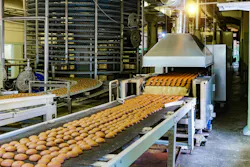
Electrical systems are the heartbeat that keep modern manufacturing and food and beverage processing operations running. From flash freezing and high heat to continuous production and frequent washdowns, the material selection behind these critical systems is an important consideration for processors. The choice of materials in electrical infrastructure can mean the difference between safe, efficient operation or costly downtime and compliance issues.
The stakes are high. The average cost of a food recall ranges from $10 to $30 million. Beyond the financial impact, recalls and regulatory reviews can damage reputation and erode consumer trust. The intense scrutiny of these production environments and types of risks present operational challenges.
Food and beverage processing environments expose electrical systems to harsh conditions, including corrosive agents such as salts and acids, chemical sanitizers, extreme humidity and temperatures that can compromise materials. Processors using properly rated materials for the application can improve overall equipment effectiveness (OEE), reliability, operational efficiencies, quality, hygiene and uptime. Incorrect material selection accelerates degradation, increasing the likelihood of electrical failures, contamination risks and safety hazards.
The cost of cutting corners
Expense pressures often lead to choosing cheaper options, which can have costly consequences. Improperly rated materials not designed for the application or environmental demands may save money upfront but incur much higher maintenance costs, emergency repairs and downtime. More importantly, they create safety risks that short-term savings cannot justify.
Consider the materials commonly used in food and beverage processing electrical systems. Metals such as aluminum and nickel-plated brass offer strength and conductivity but need chemical resistance for harsh environments. Copper is antimicrobial but poses leaching risks and regulatory concerns. Cast iron is porous and vulnerable to corrosion. Even many plastics, while resistant to water-based chemicals, lack the mechanical strength and UV-resistance required for long-term durability. When coatings crack or peel, they harbor bacteria and compromise hygiene standards.
Investing in locally sourced, advanced materials reduces exposure to global supply chain disruptions and logistics bottlenecks, helping ensure critical components are available when needed and maintain operational continuity.
Chemical compatibility
Specific chemicals used in a facility's cleaning and sanitization protocols significantly influence material selection. What works in one zone of a facility may fail in another.
The introduction of peracetic acid (PAA) and other widely used sanitizers reinforces why material chemistry matters. When PAA reacts with certain metals, it can cause staining, etching or rust. Nickel-plated brass is particularly vulnerable, as the plating can crack and leach metals or shed particles into the production environment. Even stainless steel, the workhorse of food and beverage processing, requires careful consideration. While stainless steel 304 provides good corrosion resistance, grade 316 works well in harsher environments based on its superior resistance to chlorides and other aggressive chemicals.
Determining the right solution for the application, operating environment and area can have a significant impact on performance, uptime and overall costs.
Designing for safety and compliance
Beyond chemistry, material selection must comply with regulatory requirements. Lead is an example of a product broadly banned due to its toxicity, with even short-term exposure posing health risks. Surface finishes must meet food safety standards to avoid improper coatings, which can crack and flake to introduce contamination. Proper sealing and ingress protection prevent contaminants from entering electrical systems. Grounding straps, explosion proof fittings and static dissipation solutions mitigate electrostatic hazards in dust-prone environments such as bakeries or pharmaceutical production.
Compliance with UL, NEMA, FDA and NSF standards is essential, providing a framework to help ensure materials perform safely and reliably for the conditions and environment in which they are installed. These standards continue to evolve to prevent real world repeats of operational failures.
It all adds up
Proper material selection delivers measurable short- and long-term value. Correctly rated, food-safe, durable materials enhance system performance and can extend service life by up to 300%. An initial investment in high-quality, proven materials delivers a strong return in the areas of:
- installation time savings
- safety and regulatory compliance
- longer lifespan of reliable operation
- reduced downtime
- lower maintenance costs
- contamination risk prevention
- decreased waste
- more responsible, sustainable manufacturing
Looking across decades in contamination-sensitive environments, many recalls and outages are preventable. As processors strive to meet production goals, relying on a knowledgeable manufacturing partner that understands how materials behave under real-world stress, including installation and maintenance, exposure to chemicals, temperature fluctuations, humidity and continuous cleaning cycles, can help save labor and ensure a consistent, reliable electrical system throughout their facility. From conduits and fittings to cable management systems, protection and grounding solutions, the right components make all the difference in keeping production compliant, food-safe and built to last.
The right choice for resilience, reliability and reputation
Material selection for electrical infrastructure in food and beverage processing and contamination-sensitive facilities is a strategic investment that can provide significant savings over the long run. It shapes product safety, operational reliability and long-term cost efficiency. Choosing properly rated materials helps prevent degradation, contamination and failures, and provides peace of mind and confidence from knowing electrical systems will perform safely and reliably.
About the Author
Khalid Mandri
President of ABB’s Installation Products Division
Khalid Mandri is President of ABB’s Installation Products Division, which provides a broad range of electrification solutions to connect and protect electrical systems and installations in commercial and industrial applications, and medium-voltage products for utilities. Since joining ABB in 2005, Mandri has held roles of increasing responsibility in sales, marketing, product management and general management.
Related
 dreamstime_xxl_214523687