Ask a Powder Pro: What criteria should we use to evaluate and select a powder handling system vendor or systems integrator for our specific material and process requirements?
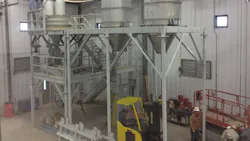
Selecting a powder handling system vendor is important because the vendor can make or break your project. A successful project works well, comes in on time, and stays on budget, while a poor project is frustrating and time-consuming as well as harmful to your company’s performance and potentially your career! Choosing the right supplier is critical, but it’s not always straightforward.
The good news is that there are many good equipment and system suppliers to choose from. If you need a new system with a variety of equipment types, you’ll first need to decide whether to get it all from one system supplier or buy each piece of equipment separately and integrate the system yourself. Designing your own system can save money, but it is not recommended unless you have a lot of experience, plenty of time to figure out the details, and can accept the risk of making sure everything works well together.
Consequently, you’ll probably want to choose a primary supplier who accepts responsibility for everything in the system. However, if there are one or two expensive critical items along with a lot of other supporting equipment, it’s reasonable to make a separate contract for the critical items along with a contract with a systems vendor to supply all the remaining equipment.
For example, your critical item might be a new mixer or extruder. If you are comfortable specifying and buying it, then buy it directly from the manufacturer and save some money instead of buying it through the system supplier. The systems supplier will happily provide the remaining material storage, conveying systems, and controls. Just make sure to tell each supplier everything they need to know about the other one and be extra careful at all the interface points. Pneumatic conveying companies, in particular, are good at supplying partial and complete material handling systems.
It takes time to bring vendors up to speed on a project and evaluate their bids, so you’ll first want to narrow it down and choose two or three potential vendors to send your bid request. Don’t underestimate the importance of this initial narrowing process.
Questions to ask potential suppliers
- What is your experience with my material, process, and industry sector
- Can I see examples of projects you’ve done?
- What are the various equipment options you offer to meet my needs?
- Is what I have specified the best way to do it? Can you recommend ways to meet my goals at a lower cost?
- What are the appropriate materials of construction and material finish for my project?
- Can you meet my performance requirements?
- What do you guarantee?
- Who will I be working with from your company? What is their experience? How long have they been with your company?
- Do your control automation programmers have experience in my industry? Do they have recommendations? Can I meet them?
- What are your lead times for this project? For critical spare parts?
- Are we covering all the necessary safety aspects?
- Are there extra costs for factory inspections, factory acceptance tests, extra copies of manuals, startup assistance, or training?
- Do you offer installation, or can you recommend an installation partner?
Make sure the supplier has a variety of equipment and solutions available. Otherwise, they will only recommend their option.
Get recommendations from other individuals who might have more experience. Networking with others in your company or trade association can be invaluable.
Be sure to tell potential suppliers about your goals. They will meet your needs better if you tell them your priority, such as lowest price, best performance, end-product quality, fastest delivery, etc. You can’t get everything, and they won’t know what is most important unless you tell them.
Similarly, tell them which aspects of performance are most important. Be aware that system suppliers will guarantee some things, such as conveying rate, flow from hoppers, holding capacity, material proportion, homogeneity, and weighing accuracy. Other performance criteria, such as dust emissions, can be guaranteed but at an additional cost. And there are other aspects, such as abrasive wear or product breakage, that probably won’t be guaranteed. In these cases, a good supplier will offer examples of what has worked in the past, along with options at different price levels and testing to ensure you are choosing the best solution.
Relationship performance is also important. Do they respond promptly? Are they knowledgeable in your process area? Do they give good advice that can save money or make the equipment work better? Do they have a low turnover rate, so you won’t have to work with a new person every time you interact with them? Are they enjoyable to work with?
In summary, choosing the right vendor is critical to the success of your project and company. You want them to be your partner in a successful project, so make sure their experience, technical expertise, and equipment options match your material and process needs.
About the Author
 Todd Smith
Todd Smith
Todd Smith is a bulk solids expert who helped manage Kansas State University's Advanced Manufacturing and Bulk Solids Technology Center (BSTC) from 2019 to 2025. The BSTC is the only university-centered facility and staff in North America dedicated to helping industry with bulk solid challenges and education. Previously, Todd spent nearly forty years in industry working with bulk solids — first at four DuPont plants, then at Mac Equipment and Coperion K-Tron.