Benefits of a well-maintained dust collection system
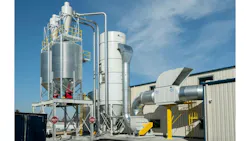
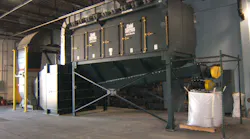
Properly maintaining industrial dust collection systems can consume a lot of time, research, and resources. But investing in regular maintenance yields many advantages for productivity, product quality, employee health, compliance with safety standards, and equipment longevity. Here are five benefits of a well-maintained dust collection system.
1. Boosts productivity
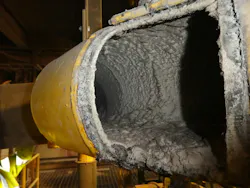
Excessive dust accumulation inside your facilities or on industrial equipment poses a silent threat to productivity. If your dust collection system is underperforming due to prolonged wear and tear or if your dust collector is inadequate or undersized, it poses a significant risk to your entire operation. Filter leaks and other maintenance issues that go unchecked could lead to an unexpected plant shutdown, disrupting operations for days or weeks or even longer.
2. Improves product quality
For many manufacturing facilities, dust in the air can mean dust on their products. A robust dust collection system acts as a guardian, efficiently capturing and eliminating dust particles from the air. This not only enhances the quality of finished goods but also ensures consistency in production.
3. Safeguards employee health and safety
Industries dealing with hazardous materials emit contaminants that pose serious health risks to employees. Inhalation of these particles can lead to both short-term and long-term health issues. A well-maintained dust collection system plays a pivotal role in removing hazardous dust, safeguarding the well-being of your workforce.
Additionally, effective dust collection maintenance mitigates the risk of dust fires or explosions in industries handling combustible dust. During normal operation, four of the five requirements for a dust explosion are present inside a dust collection system: oxygen, fuel (combustible dust), an enclosed space (the dust collector), and dispersion of the dust. Poor maintenance can increase the likelihood of the fifth requirement — an ignition source such as a spark or heat — and also increases the amount of dust likely to be present to fuel an explosion should one occur.
4. Extends equipment longevity

5. Enables strategic rather than reactive maintenance
Unlike reactive or routine maintenance, which focuses on fixing issues as they arise, strategic maintenance involves a thoughtful, long-term perspective. The first step toward implementing strategic maintenance at your facility is to plan periodic inspections following a maintenance checklist tailored to your specific system.
If you have any questions or challenges specific to your industry, consult with a dust collection expert for a comprehensive inspection to assess the efficiency and suitability of your current system.
The benefits of a well-maintained dust collection system extend far beyond mere compliance. Proper maintenance is a multifaceted strategy that safeguards your investments, secures employee health and safety, and improves production efficiency.
Frequently asked questions
How can I know if the filters are working correctly?
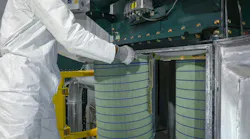
The main signs to know if your filters are in good condition or if they need to be replaced are whether they can be cleaned effectively or not by the baghouse (this can be seen by a consistent increase of the differential pressure), or if they start leaking.
How often should I change the filters?
Baghouse filters have an average service life of 1-3 years in most applications. Some can go beyond that without major increases in emissions, while others may last less than a year in more difficult applications. The two main reasons to replace baghouse filters at the end of their life are (1) because blinded filters will begin to have higher and higher emissions (even if there are no holes) and (2) old filters have higher differential pressure (i.e. pressure drop), which decreases the airflow through the system, causing cascading effects of reduced dust collection at pickup point (fugitive dust emissions) and dust buildup in the ductwork.
Can we delegate the filter changeout to our in-house maintenance department?
Of course you can! But you want to make sure they are properly qualified for the task. With dust collection training, your maintenance technicians, maintenance planners, engineers, operators and reliability staff will be able to keep your systems running at maximum efficiency, troubleshoot any problems that may arise, and optimize the systems to meet the demands of production.
Can I outsource the baghouse filter changeout?
The answer is yes! However, you have to be careful who you outsource this vital task to. Inexperienced contractors often get in over their heads after accepting a contract to replace filters, only later discovering the complexity of the task. A rushed or improper installation can cause problems later due to early filter failure in some cases costing millions of dollars to replace.
About the Author
 Matt Coughlin
Matt Coughlin is the president and owner of Baghouse.com, where he works with industrial facilities throughout North America to solve complex dust collection, filtration, emissions control, and process ventilation challenges. With decades of experience in industrial dust collection system design, troubleshooting and inspections, Matt has helped hundreds of facilities improve reliability, reduce emissions, increase production capacity, and lower operating costs.