Processing's Weekly Mixer: Is AI actually ready for process troubleshooting?
Welcome to the latest installment of Processing's Weekly Mixer, which highlights recent content from EndeavorB2B brands relevant to process manufacturers.
This week's entry features content from Chemical Processing, Control and Automation World, as well as this week's content from Processing.
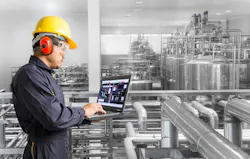
Is AI actually ready for process troubleshooting?
Troubleshooting is built on experience, but much of that tribal knowledge is walking out the door. As industry veterans retire, chemical process operations are losing institutional memory. Training less-experienced workers can help, but it doesn’t replace hands-on know-how.
Over the past few decades, many of my clients have talked about using “expert systems” software to save institutional memory. These were early forms of artificial intelligence that fell out of favor because they were inflexible, required labor-intensive maintenance and coding. Artificial intelligence (AI) is the latest successor to the expert-system trend. Will AI succeed where past expert systems could not?
Endress+Hauser extends reach into new instrumentation applications
Among Endress+Hauser's key guiding principles is advancing the sustainability of the process industries through its instrumentation offering. And at the company's 2026 Global Forum, held the week of April 13 in Basel, Switzerland, that principle was shown to apply to a growing range of new and emerging applications — including some that are well beyond traditional process industry sectors.
The company often works from the beginning with the developers of new processes, matching its instruments to new processes from the start. One of those start-ups that participated in a media showcase at the Forum is Purecontrol, which uses data and AI to optimize the water industry's most energy intensive processes.
Read the entire article HERE.
Report: Digital transformation considered essential by most manufacturers
From Automation World: Rockwell Automation’s study revealed that manufacturers are prioritizing smart technologies to support operations across verticals.
A new study revealed that 90% of manufacturers consider digital transformation essential, indicating a larger shift in industry focus toward active use of smart manufacturing technologies to support day-to-day operations.
Over 1,500 manufacturers across 17 countries showed that manufacturers are no longer debating whether to adopt digital technologies, but how to execute, scale and deliver value from them, according to Rockwell Automation's "2026 State of Smart Manufacturing" report.